Precision-Engineered Manifolds for Seamless Fluid Management
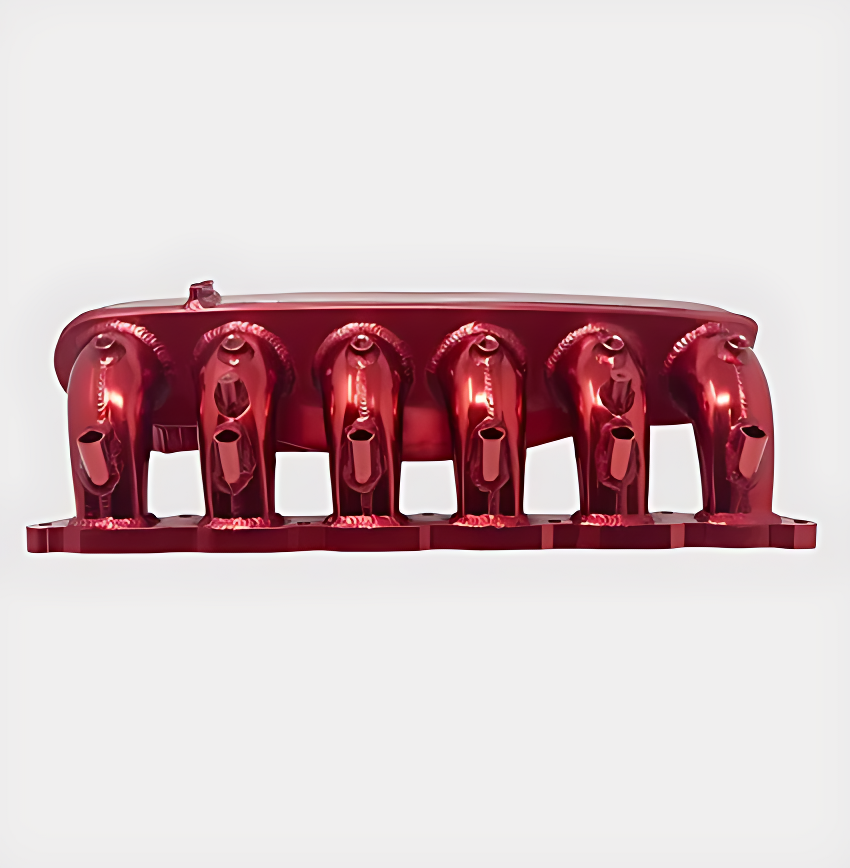
Manifolds facilitate the seamless flow of fluid from a single source to multiple outputs, or vice versa. In oil and gas applications, you may see one used to transfer fluid from wells to test lines and from the tank to an oil production line. We will look at how manifolds function and the best way to select the right one.
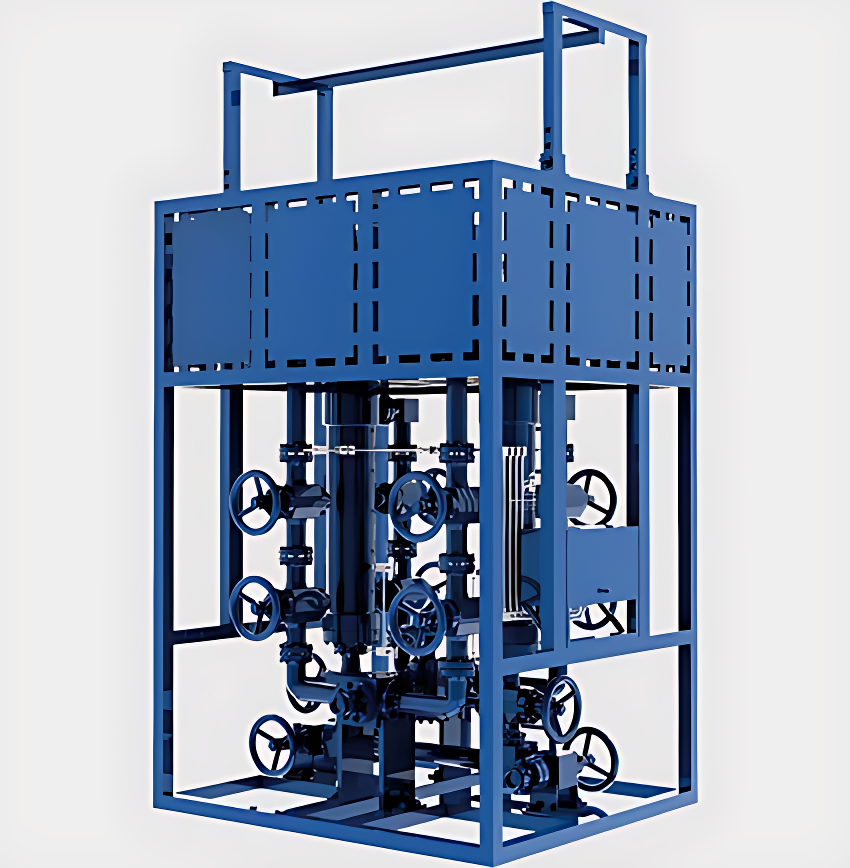
A typical manifold is an open structure surrounded by fittings, valves (tees, elbows/plugs), tubes, pipes, and pressure apparatus. The hollow manifold allows fluid to flow through various ports that connect to the production line without obstruction. The flow can be controlled using two-, three-, or five-valve configurations, including needle, ball, or bleed valves.
Production Manifold
The manifold is designed to transfer hydrocarbons from several wells to processing facilities. The typical configuration comprises choke lines, valves as well as control systems that manage the flow rate.
Wellhead Manifold
It is installed near the wellhead. The manifold regulates the transfer of hydrocarbons from the well towards production systems. It could include parts like gate valves and chokes, as well as connections for different flow lines.
Choke Manifold
This vital component controls the flow and pressure of the fluids when drilling or well control activities. It comprises a set of chokes and valves that control the circulation of drill fluids and drilling mud.
Kill Manifold
Like a choke manifold, the kill manifold serves to inject massive fluids into the bore of the well in case of a kick. A kick results in an uncontrolled flow of formation fluids. It aids in the regaining of control over the well through balancing pressure.
Testing Manifold
Utilized during well tests to monitor and regulate the flow of fluids as well as record data regarding the well’s performance. The manifold usually has several outlets to connect various types of test apparatus.
Injection Manifold
This manifold is used to inject water, chemicals or any other substance into the well to boost production and maintain the integrity of the well.
Sand Management Manifold
It is designed to manage the production of sand with hydrocarbons. The manifold assists in separating and managing particles of sand that are produced from fluids.
Hydraulic Control Manifold
It is used in subsea systems to regulate the operation of actuators and valves in subsea by using hydraulic fluid. It is responsible for the operation of subsea apparatus.
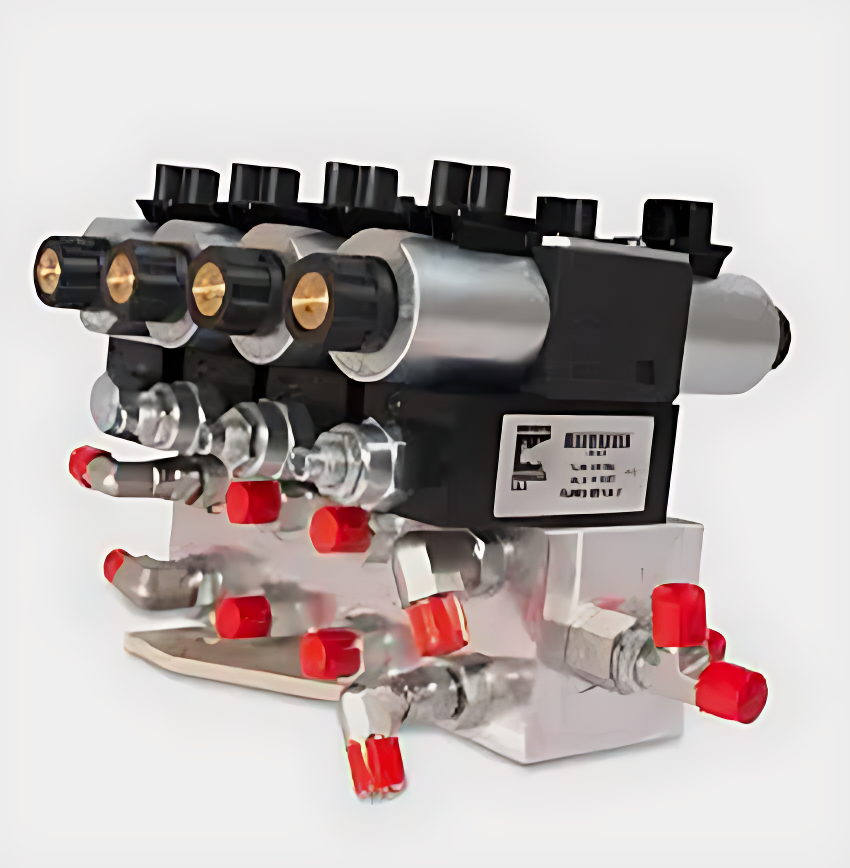
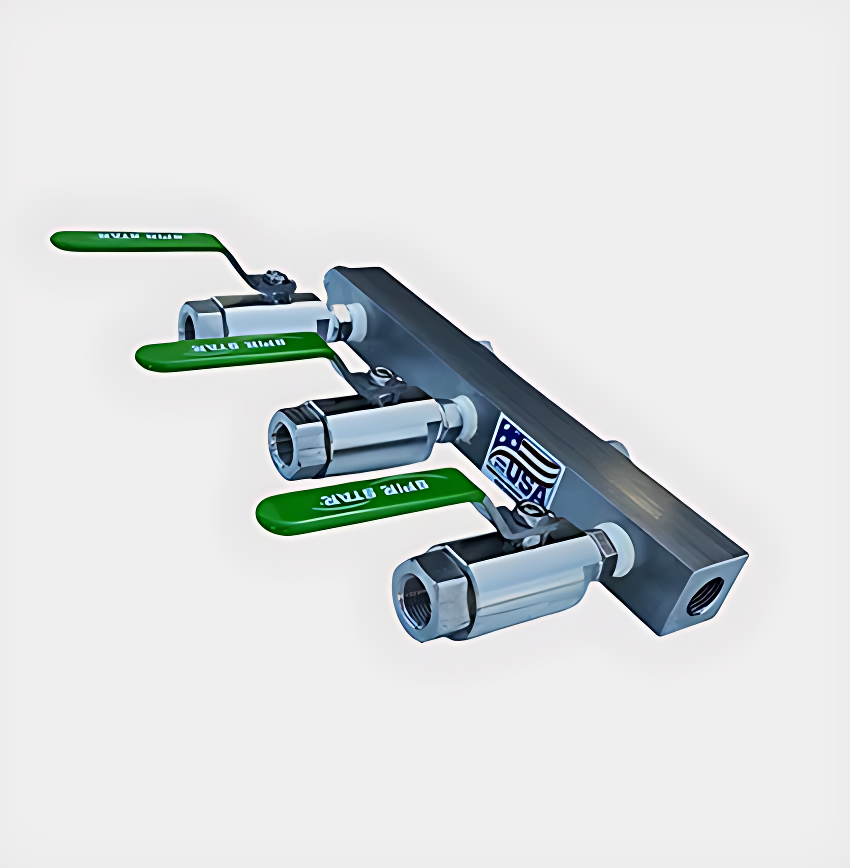
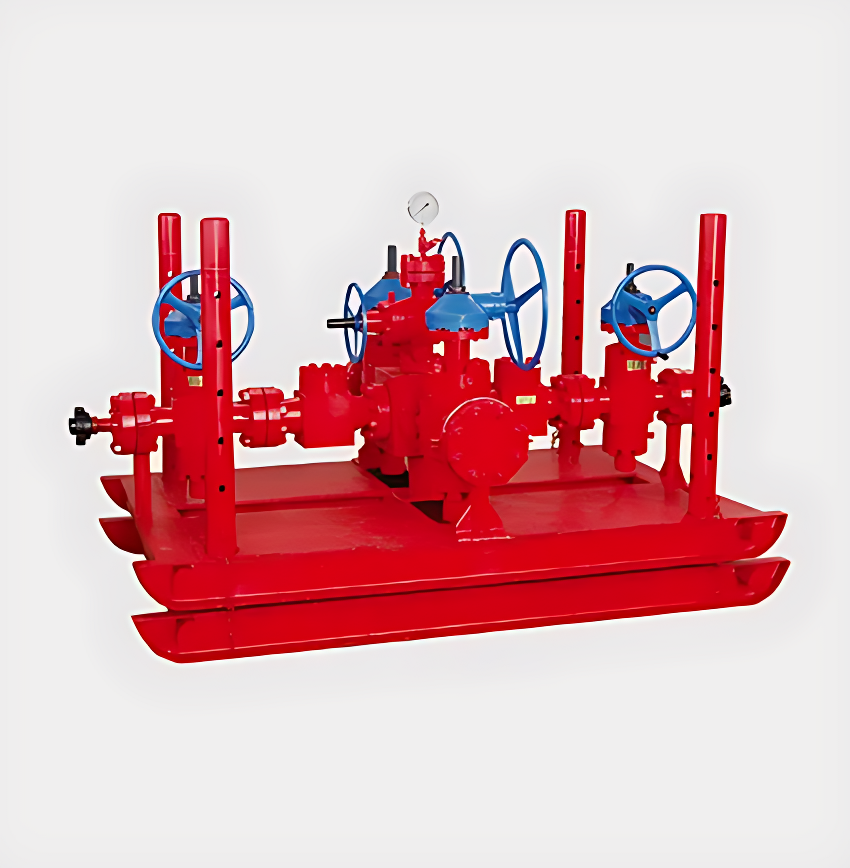
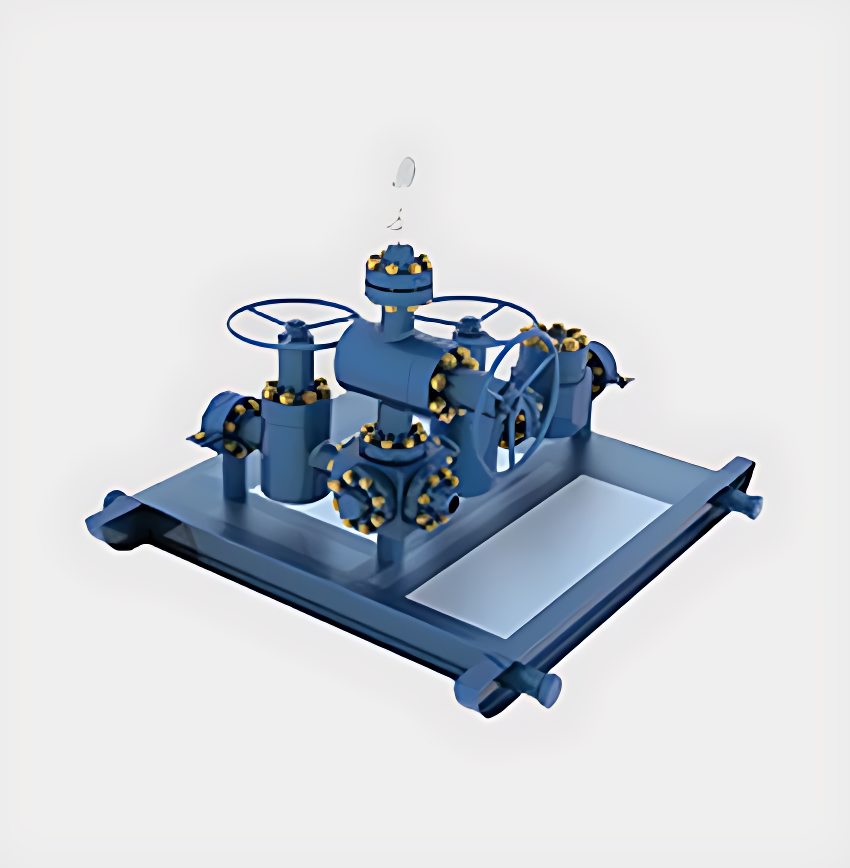
Manifolds play a crucial role in gas and oil
Manifolds that are used extensively in industry are made from stainless steel.
The manifold must be able to handle the maximum permissible work pressure (MAWP) that it will be exposed to. The MAWP for both oil and gas manifolds may be up to 6000 psig.
The selection of the manifold should be made based on the capacity to adapt to temperatures that are extreme, which could range from the range between -65 degF and 1200 degF.
Characteristics of an ideal manifold in oil and gas
High Pressure Rating
Manifolds should be designed and built to withstand intense pressures typically encountered in gas and oil operations. They must have a sturdy construction and be made of material that is able to withstand the most extreme pressures.
Modularity
Manifolds should be modular and allow for simple modification and expansion in order to fit changes in well configurations as well as demands for production. Modularity improves flexibility and minimizes time spent on modifications.
Maintainability
Ease of Maintenance is one of the most critical factors in minimizing downtime during operations and decreasing maintenance expenses. Manifolds must be designed to allow rapid access to internal components for inspection and repair.
Compatibility
Ideal manifolds should be compatible with the range of configurations for wellheads, drilling equipment and other parts employed in oil and gas processes. The compatibility ensures seamless integration with the entire system.
See What Our Clients Are Saying
“The extensive inventory of Tekne Oilfield as well as flexible options for delivery make our purchase process easy and efficient. Their prices are reasonable as is the high-quality of their plates they provided is consistently top-quality.”